
Resilience is often discussed only after something has gone wrong.
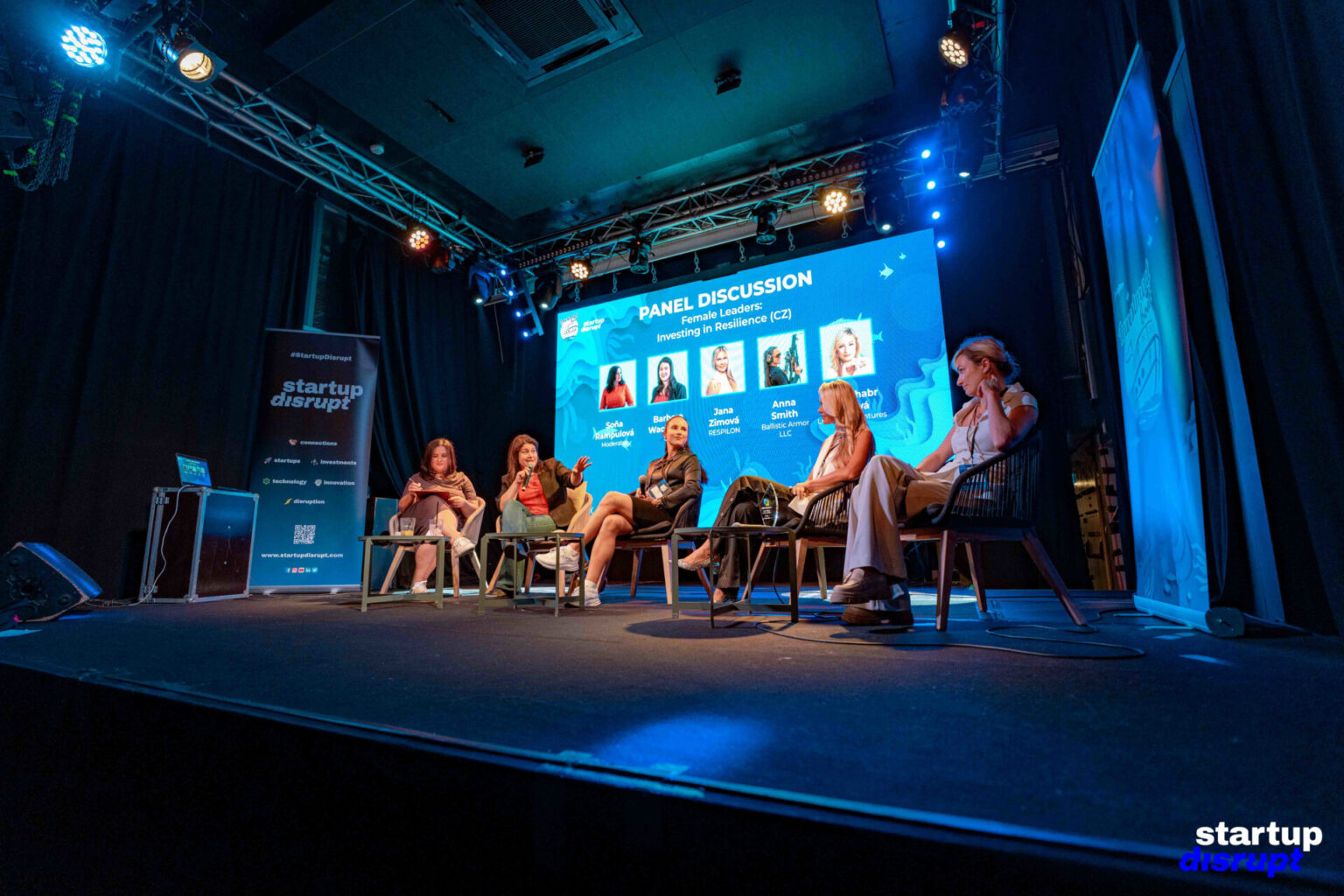
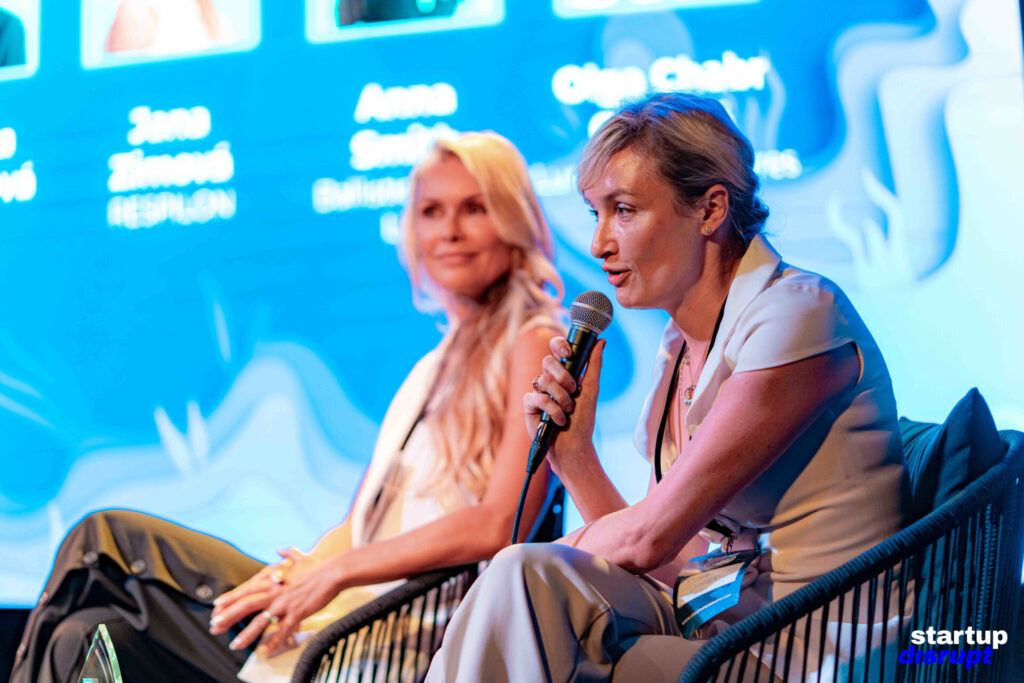
At Investment Boat 2026, the Female Leaders panel Investing in Resilience, Defense, Security and Dual Use explored a different question:
What should companies invest in before the crisis arrives?
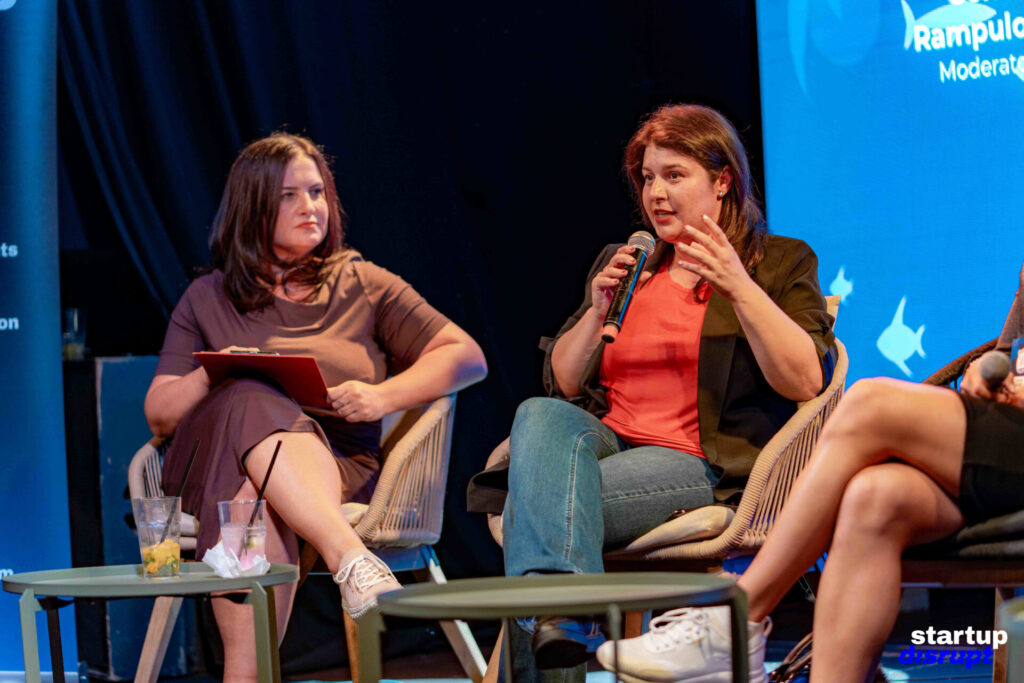
Moderated by Soňa Rampulová, Founder and Director of Legal Business Club, the panel brought together:
Barbora Wachtlová — Středočeské inovační centrum
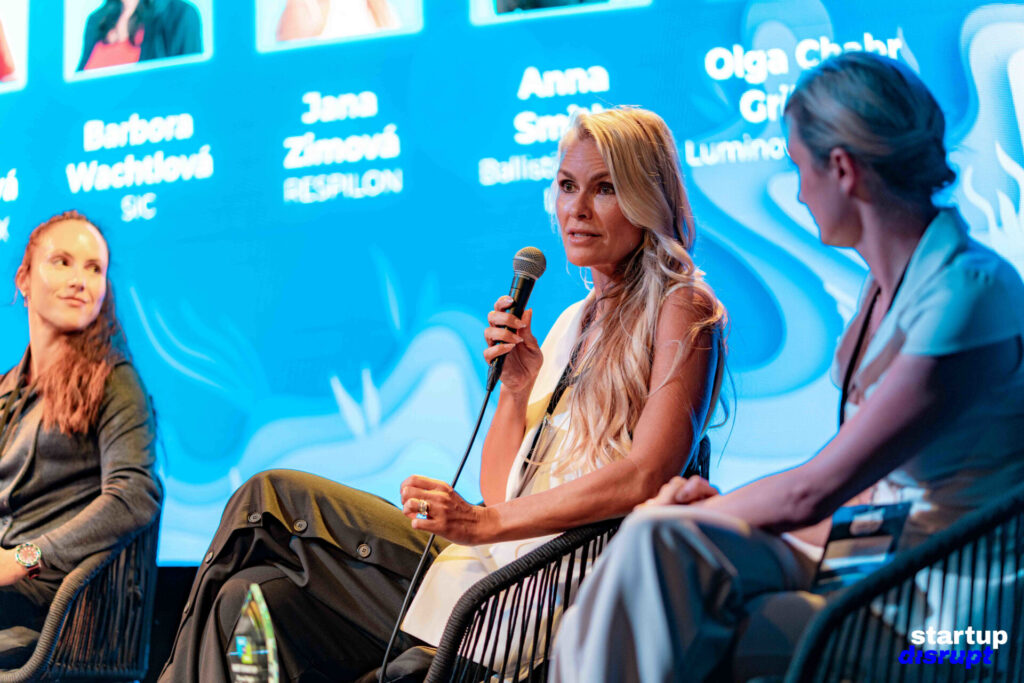
Anna Smith — Primary Weapons Systems
Jana Zimová — Respilon
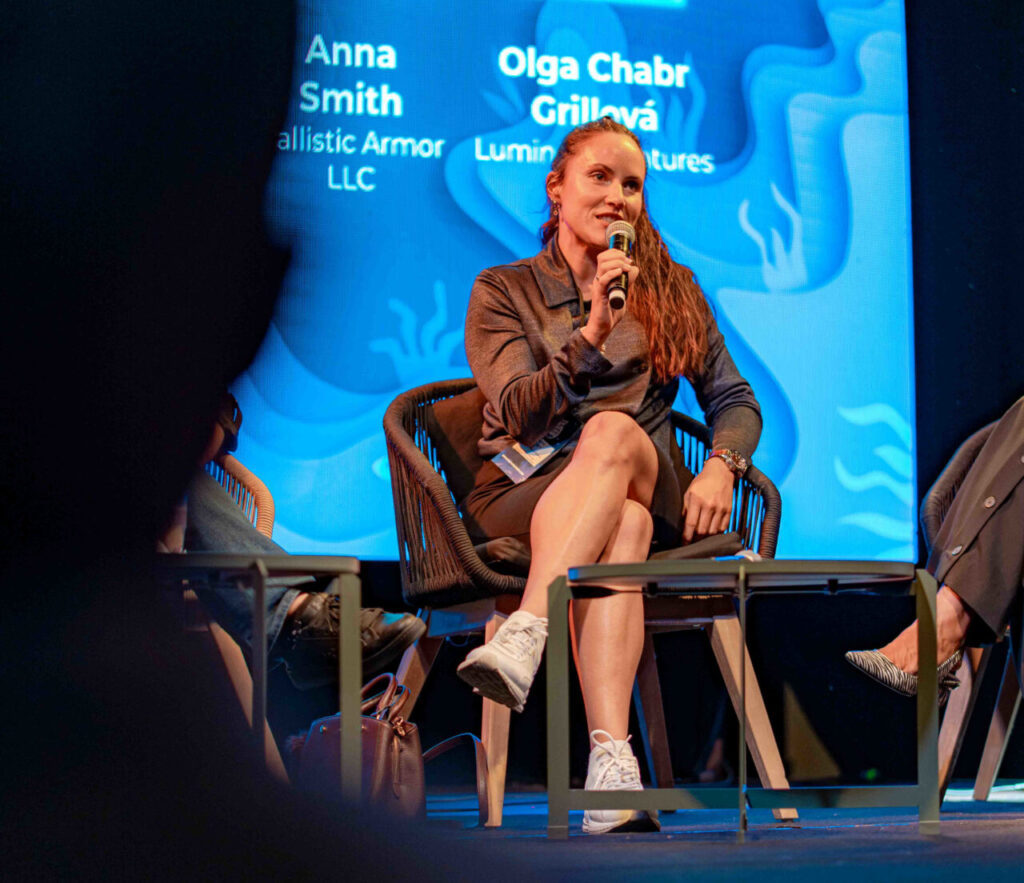
Olga Grillová — Luminova Ventures
Resilience starts before the crisis
Barbora Wachtlová defined resilience as preparedness built while everything is still working.
The objective is not to predict every possible crisis.
It is to ensure that when something unexpected happens, the company has enough capability, resources and flexibility to respond.
That mindset applies equally to organizations and individuals.
Calculate the cost of failure
Anna Smith brought the perspective of the defense sector.
In critical systems, the cheapest option is not automatically the most rational one.
Companies and governments also need to calculate the cost of failure.
A more expensive protective system may appear unattractive when viewed purely through acquisition cost. But if failure carries consequences involving safety, operational capability or human life, the calculation changes dramatically.
Preparedness therefore requires asking not only:
“What could happen?”
but also:
“What happens if it happens and we are not prepared?”
Build capabilities you control
Jana Zimová described how Respilon built resilience through proprietary research, development and manufacturing capabilities.
The company has worked across healthcare, beauty and defense — sectors that at first appear unrelated.
The connection is underlying technological capability.
Having its own R&D means the company can react to unexpected developments rather than waiting for outside suppliers to solve the problem.
What may look like a rapid response from the outside is therefore often the result of years of invisible capability building.
Investors also need to evaluate founder resilience
For investors, resilience is not only about technology.
Olga Grillová and Barbora Wachtlová both emphasized the founder.
Can the founder communicate bad news?
Can the team acknowledge mistakes?
Can management adapt when assumptions prove wrong?
Can the organization continue operating if one key person temporarily disappears?
Products can often be changed in months.
Building the mindset required to survive repeated uncertainty can take years.
What Czech companies should invest in now
The panel concluded with several areas companies should strengthen over the coming years.
Research needs to move from laboratories into commercial use.
Companies need better digital infrastructure and cybersecurity.
Employees need continuous education and reskilling.
Businesses need to think internationally earlier.
And internal capabilities — people, technology, relationships, R&D and data — need to be strengthened instead of relying exclusively on external suppliers.
The final message of the discussion captured the logic of resilience perfectly:
Invest in resilience before you discover how badly you need it.


