
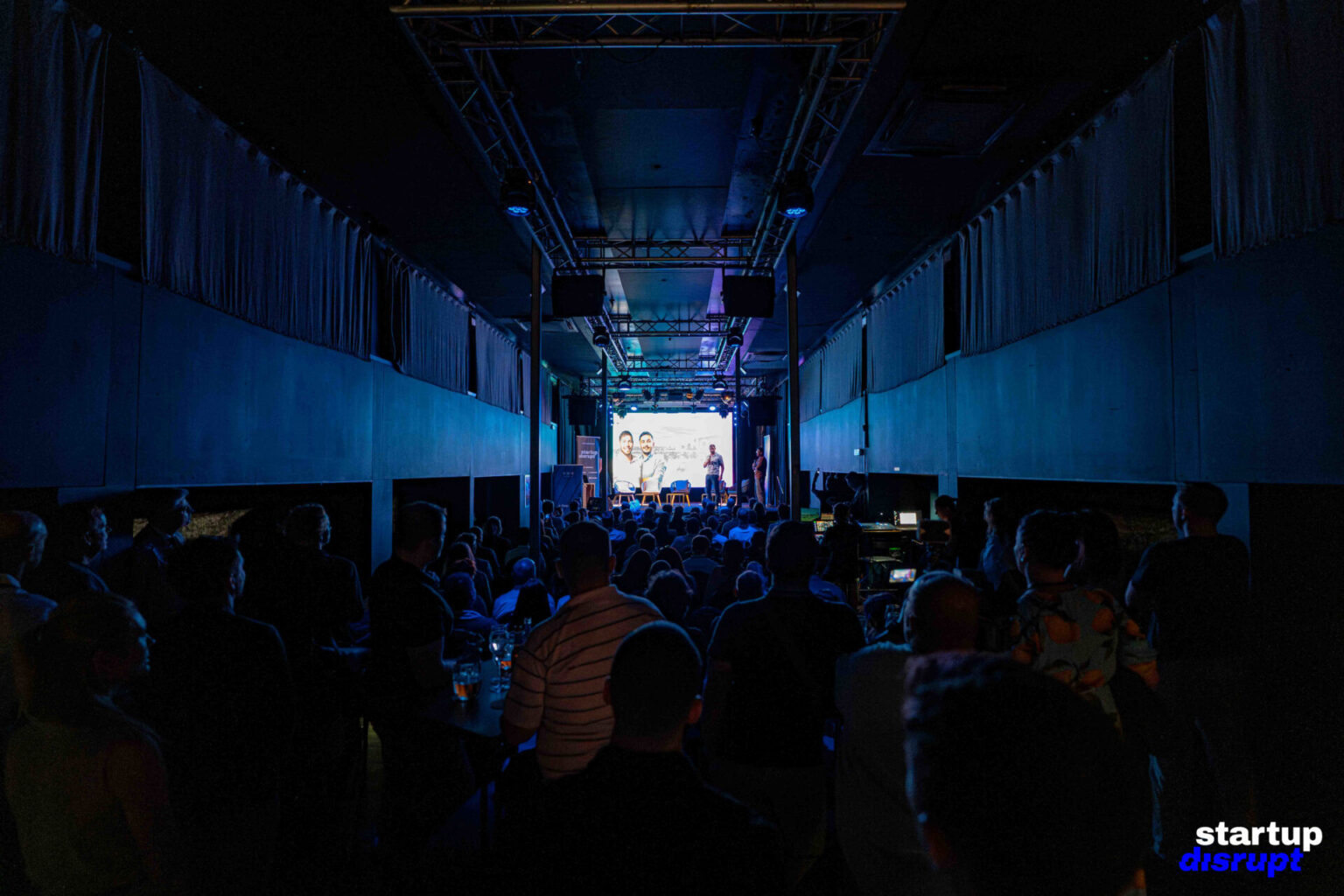
More than 300 registrations, three panel discussions, keynotes, five startup pitches and one boat full of conversations. Investment Boat returned to Prague for its 10th anniversary edition — bringing together investors, founders, business leaders and innovators from across the ecosystem.
On August 27, Startup Disrupt brought Investment Boat 2026 back to Prague for a milestone edition.
Ten years ago, the concept started as Startup Boat. It later evolved into Pitch Boat and eventually into Investment Boat — reflecting the evolution of the ecosystem itself, from building startups and pitching ideas to creating meaningful connections between founders and capital.
For its 10th anniversary, Investment Boat returned to where the journey began: the Czech Republic.
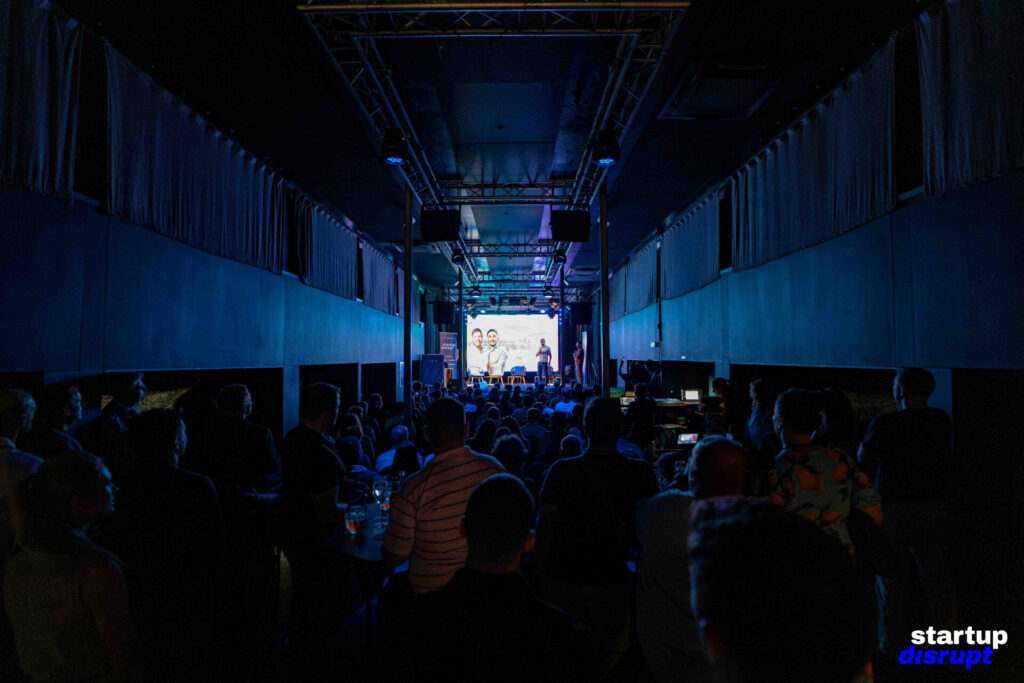
With 300+ registrations, the evening aboard Cargo Gallery brought together founders, investors, executives, policymakers, ecosystem builders and partners for several hours of discussions, startup pitches and networking.
But the central idea behind the event remained deliberately simple:
Put ambitious people in the same place and create an environment where useful conversations can happen.
From innovation policy to the realities of building companies
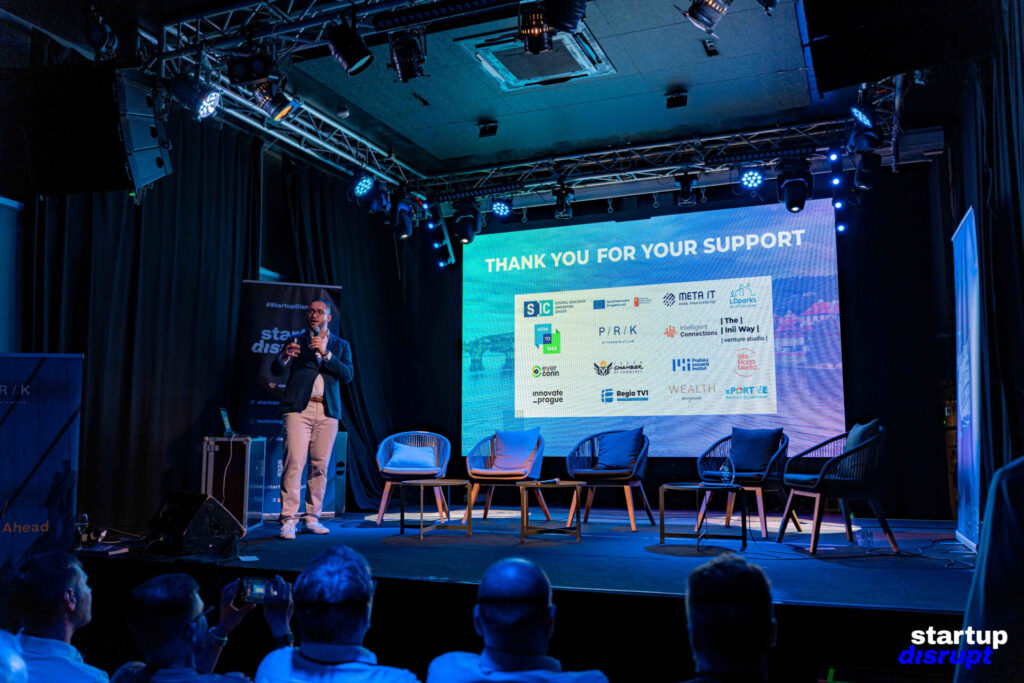
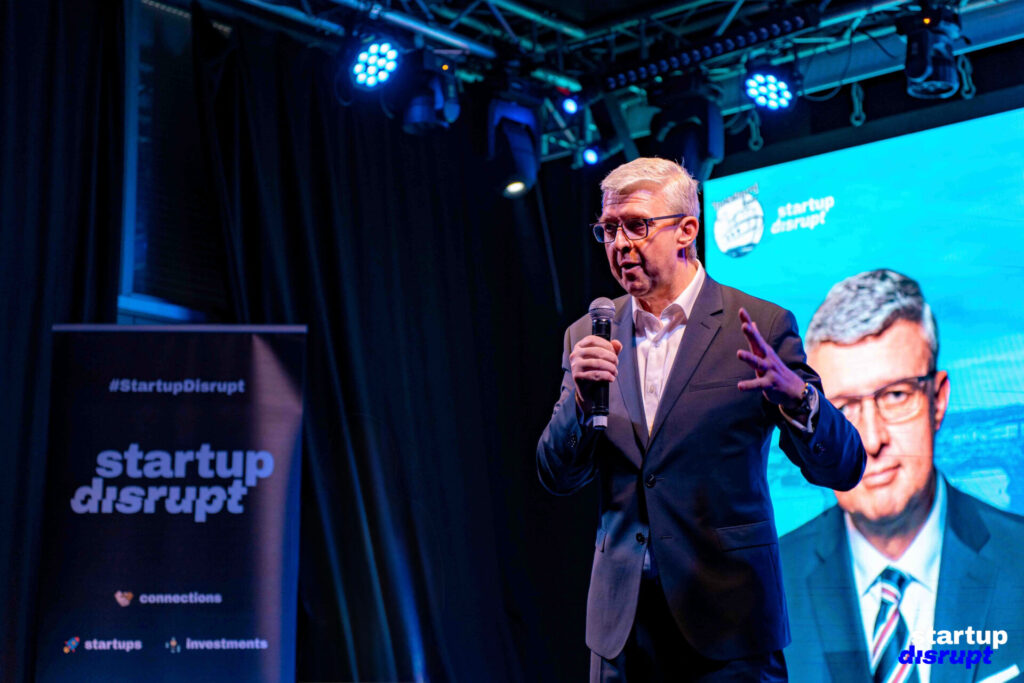
The evening opened with remarks focused on the conditions needed for entrepreneurship and innovation to thrive.
The discussion ranged from improving the Czech startup environment and creating stronger conditions for private investment to connecting startups with established companies and international opportunities.
One recurring theme was that governments and institutions can create the environment — but ultimately economic growth, innovation and company building have to be driven by the private sector.
Startup Disrupt also used the opening to announce another special event coming to Prague: the Czech premiere of The Godmother of Silicon Valley, with Esther Wojcicki joining in person on September 16.
AI: invest in value, not just tokens
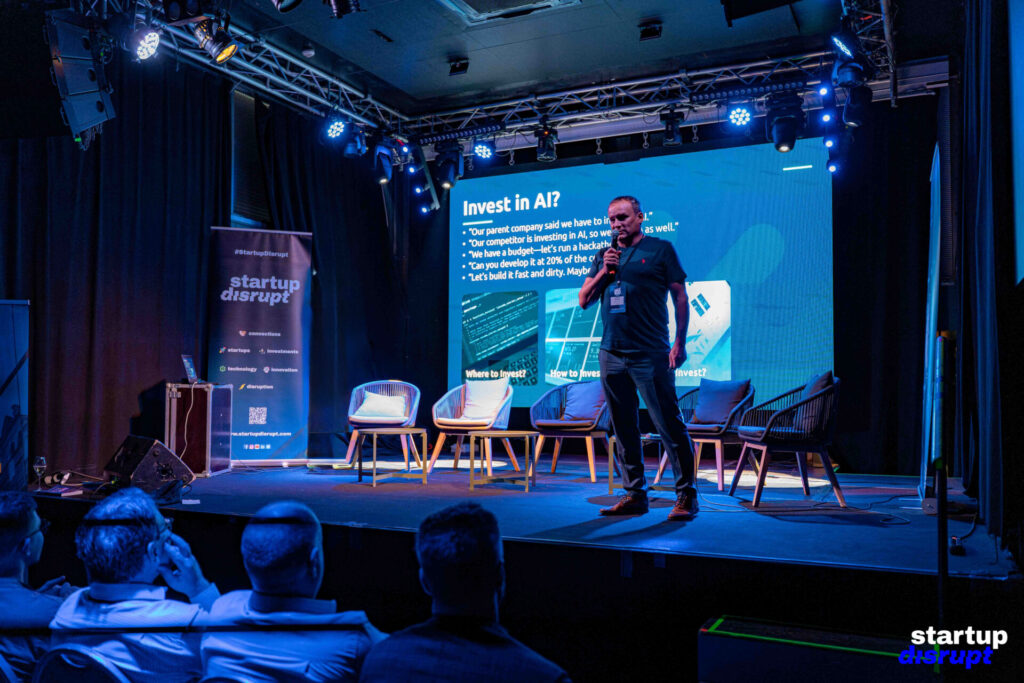
The first keynote came from Ladislav Ruttkay of Meta IT, who challenged companies to rethink what an “investment in AI” actually means.
Buying licenses and paying for tokens is only one small part.
Companies increasingly need to decide whether they should depend on cloud models, operate models on their own infrastructure, customize existing technology or develop proprietary capabilities.
But the real investment goes beyond technology.
It includes data, cybersecurity, employee education, customer education, processes and organizational change.
His message was clear: AI only becomes an investment when companies can connect it to measurable business value.
How to learn from your fuckups
The second keynote brought a deliberately different tone.
Andrej Levin and Firaz Muinov, Co-CEOs of LD Parks, shared the story of a real-estate development project that went wrong despite initially appearing almost perfect.
Rather than presenting another polished entrepreneurial success story, they focused on what the failure taught them.
Among the lessons: never spend unrealized future profits, treat investor capital with extreme discipline, diversify risk and remember that ultimately the founders have to remain the driving force behind the project.
Today, those lessons have contributed to LD Parks building a portfolio they described as approximately CZK 2.5 billion across Czechia and Romania.
The core message was simple:
Falling is unavoidable. What matters is how you get back up — and what you change afterwards.
Where is investment heading?
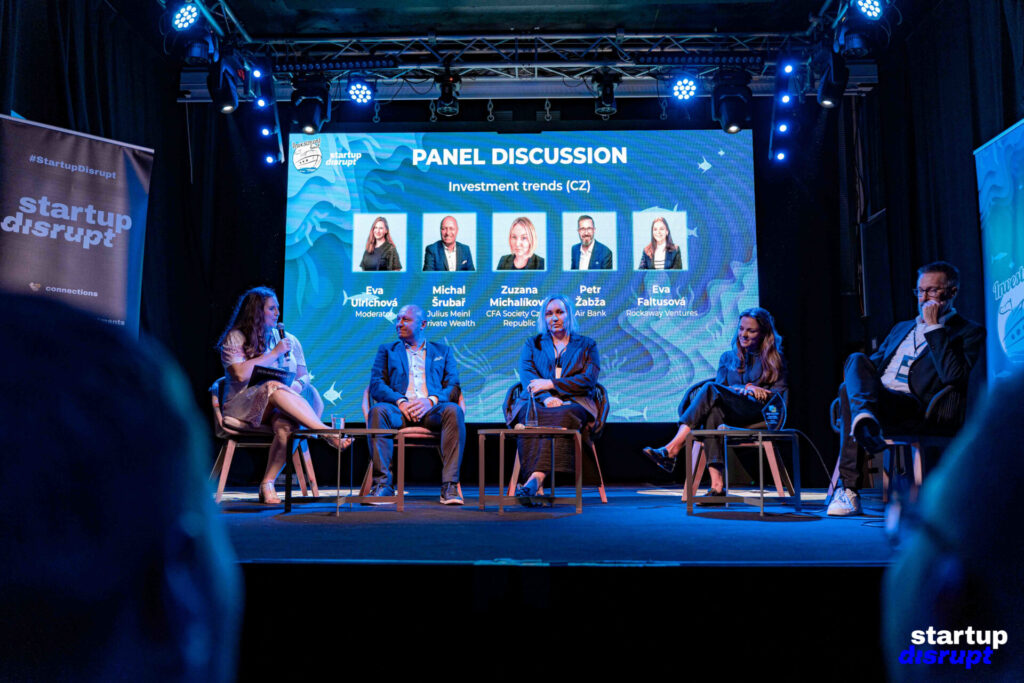
The first panel, Investment Trends, brought together perspectives from private wealth, venture capital, professional investment and retail investing.
AI dominated parts of the conversation, but the panel repeatedly distinguished between the long-term structural impact of AI and companies simply benefiting from the AI label.
Other themes included the growth of private markets, energy infrastructure, data centers, defense, cybersecurity, geopolitical diversification, intergenerational wealth transfer and the future impact of ageing populations.
One important conclusion emerged:
Trends that matter are not simply fashionable. They permanently change investor or consumer behavior even after the hype disappears.
Investing in resilience before you need it
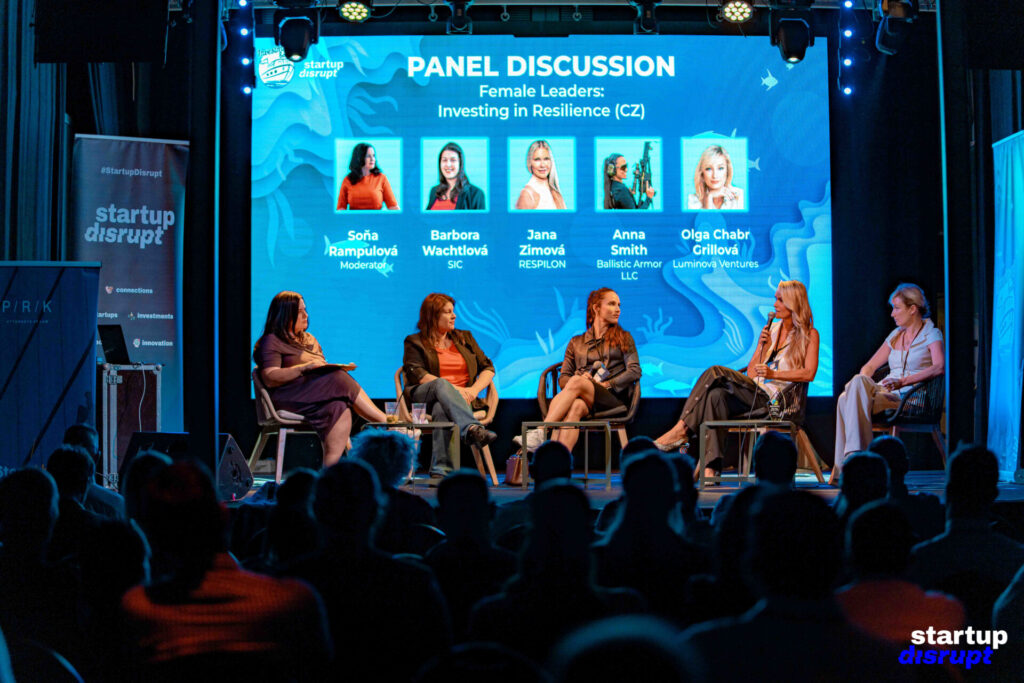
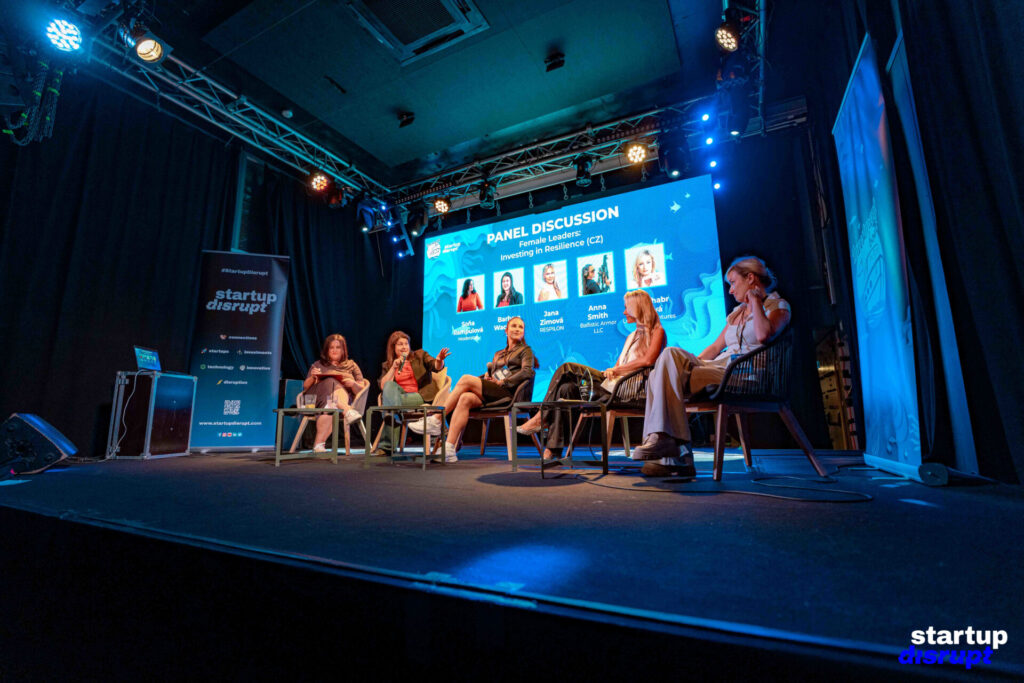
The Female Leaders panel on Investing in Resilience, Defense, Security and Dual Use explored resilience from both a personal and corporate perspective.
Preparedness, proprietary R&D, cybersecurity, talent, diversification, internationalization and the ability to respond quickly to changing conditions all emerged as critical components.
The panel also challenged companies to think differently about cost.
In areas such as defense and security, the cheapest solution is not necessarily the most efficient one because companies must also calculate the cost of failure.
Resilience, the discussion suggested, is ultimately an investment made before the crisis arrives.
From health optimization to human connection
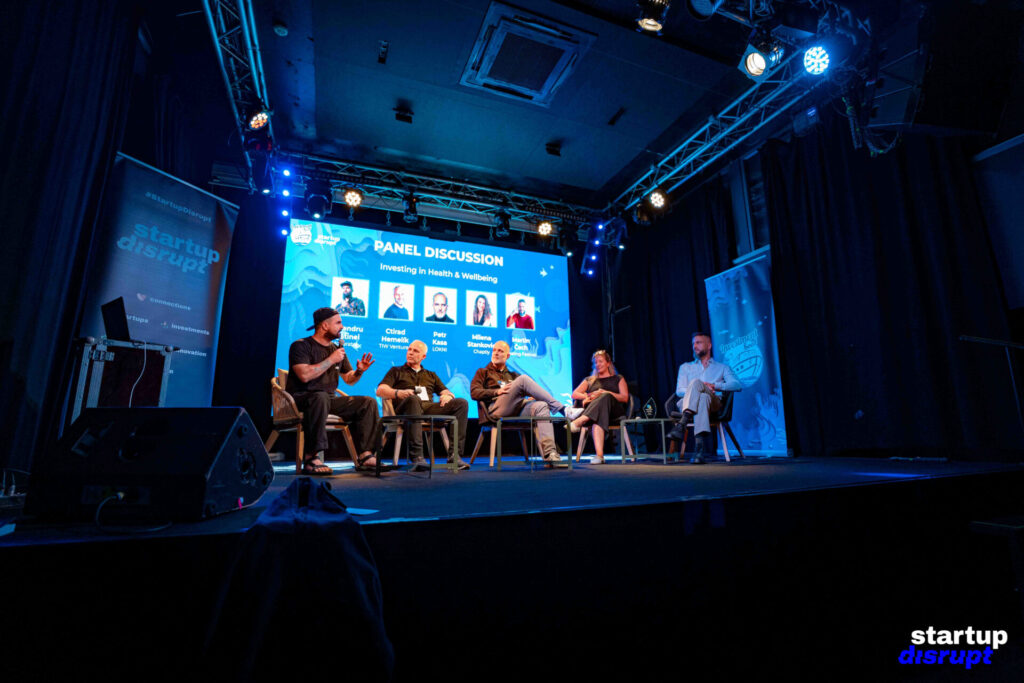
The final panel, Investing in Health & Wellbeing, moderated by Alexandru Agatinei of How to Web, explored which trends in wellness represent lasting structural change — and which may eventually disappear as hype.
Panelists discussed the move toward holistic health, prevention, longevity, cleaner environments, evidence-based health applications and the growing importance of community.
Technology will continue to play a major role, but the discussion also highlighted a paradox:
The more technology becomes embedded in our lives, the more valuable human presence, community, trust and genuine relationships may become.
Five startups. One winner.
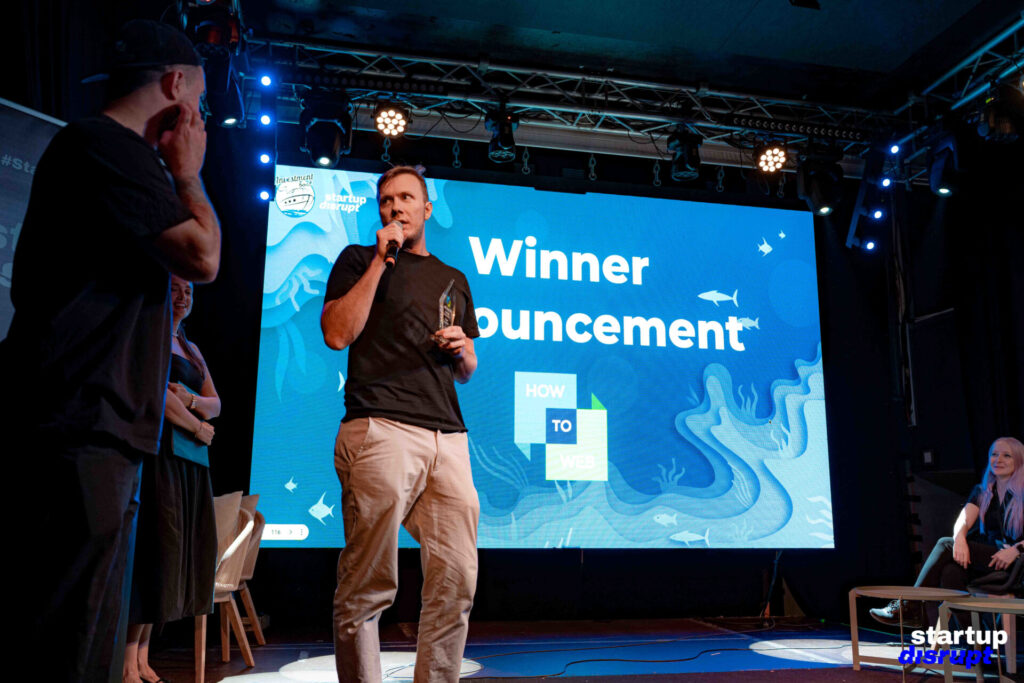
The program concluded with the How to Web Pitch Session.
Five companies took the stage:
VigiInfo, Ellen AI, Cyber Tested, Nekosin Systems and Siesta AI.
Each startup had five minutes to pitch followed by live questions from a jury consisting of Adéla Boráňová, David Polach and Eva Faltusová.
After deliberation, the jury selected Siesta AI as the winner.
The company will continue its journey at the How to Web Conference in Bucharest, connecting the Czech and Romanian startup ecosystems through the partnership between Startup Disrupt and How to Web.
The real event started after the stage program
Investment Boat has never been only about speeches or panels.
Once the formal program ended, founders, investors and business leaders continued conversations across the boat.
That is where many of the most valuable outcomes of an event cannot be programmed in advance:
an introduction, an investment conversation, a future customer, a partnership — or simply an idea that changes what happens next.
Ten years after the first Startup Boat, the mission remains remarkably similar.
Bring the right people together. Help them connect. And give new ideas a chance to move forward.
Thank you to everyone who joined Investment Boat 2026, our speakers, moderators, startups, jury members, partners and the entire community behind Startup Disrupt.
See you at the next one.


