
AI, private markets, geopolitical uncertainty, energy, defense and generational wealth transfer are reshaping how investors think about capital allocation.
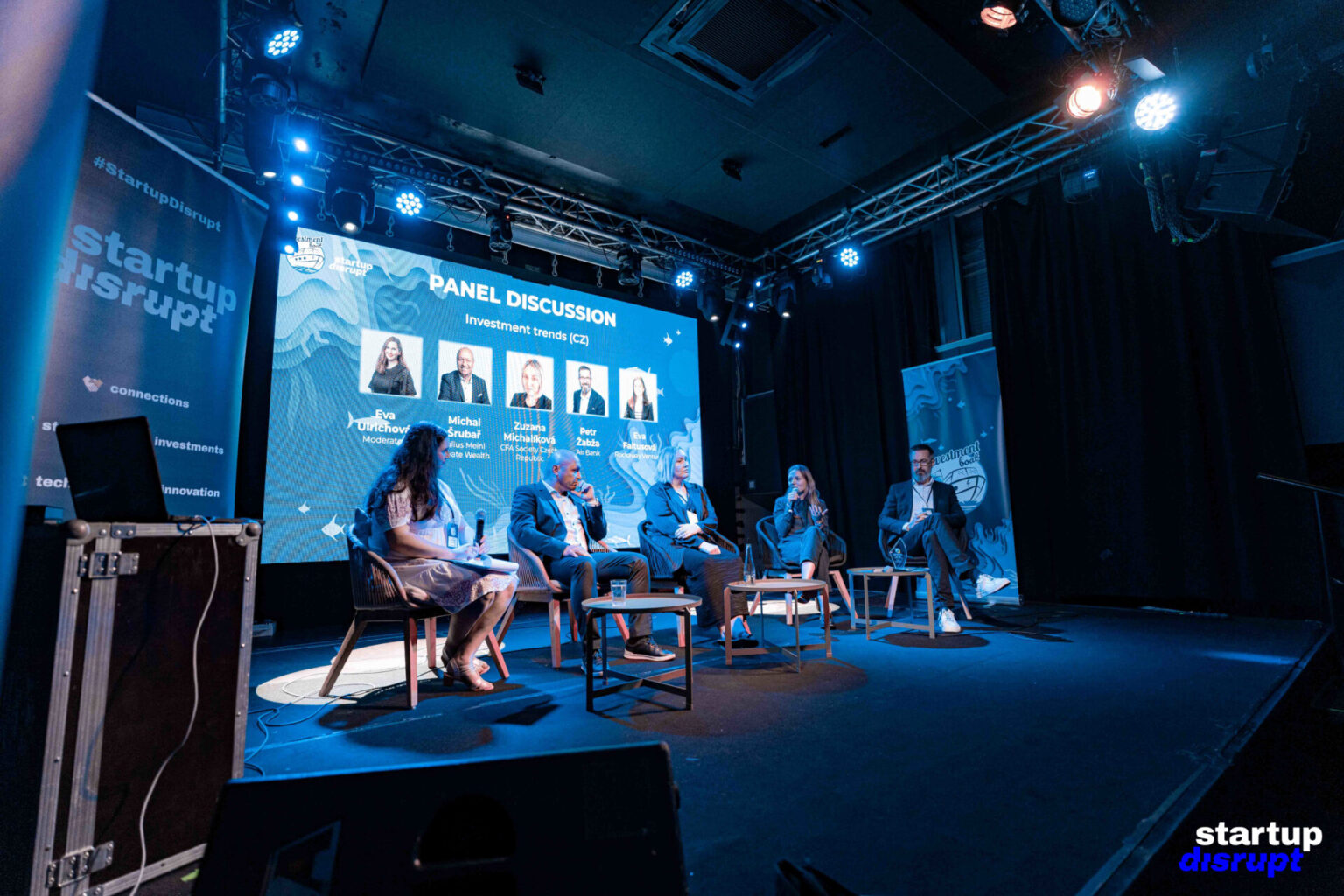
At Investment Boat 2026, the Investment Trends panel brought together four different perspectives on where investing may be heading next.
Moderated by Eva Ulrichová, Editor-in-Chief of Wealth Magazín, the discussion featured:
Zuzana Michalíková — CFA Society Czech Republic
Petr Žabža — Air Bank
Michal Šrubař — Julius Meinl Private Wealth
Eva Faltusová — Rockaway Ventures
AI is a structural trend — but not every AI company will survive
There was little disagreement that artificial intelligence represents one of today’s most significant investment trends.
The more difficult question is what exactly investors should buy into.
Zuzana Michalíková pointed to the growing risk of FOMO: companies increasingly attach the AI label to their products without necessarily creating significant additional value.
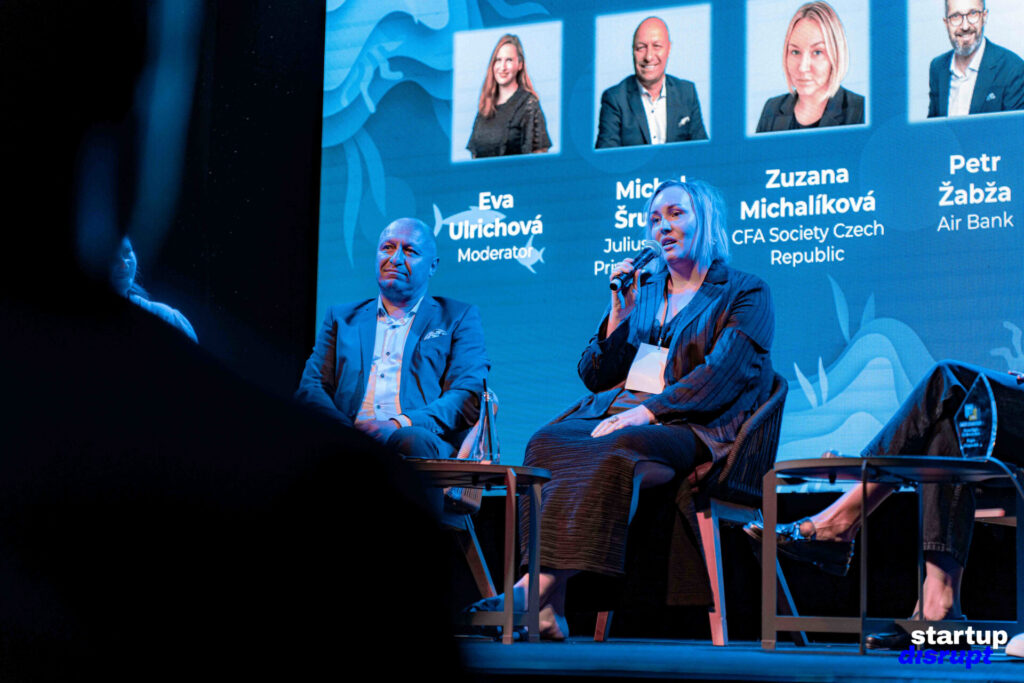
Eva Faltusová described a similar dynamic in venture capital, where valuations of promising AI startups have risen rapidly and competition for the best rounds has intensified.
The distinction is therefore becoming more important:
Is the startup creating genuine proprietary value — through data, technology or a defensible use case — or is AI simply a wrapper?
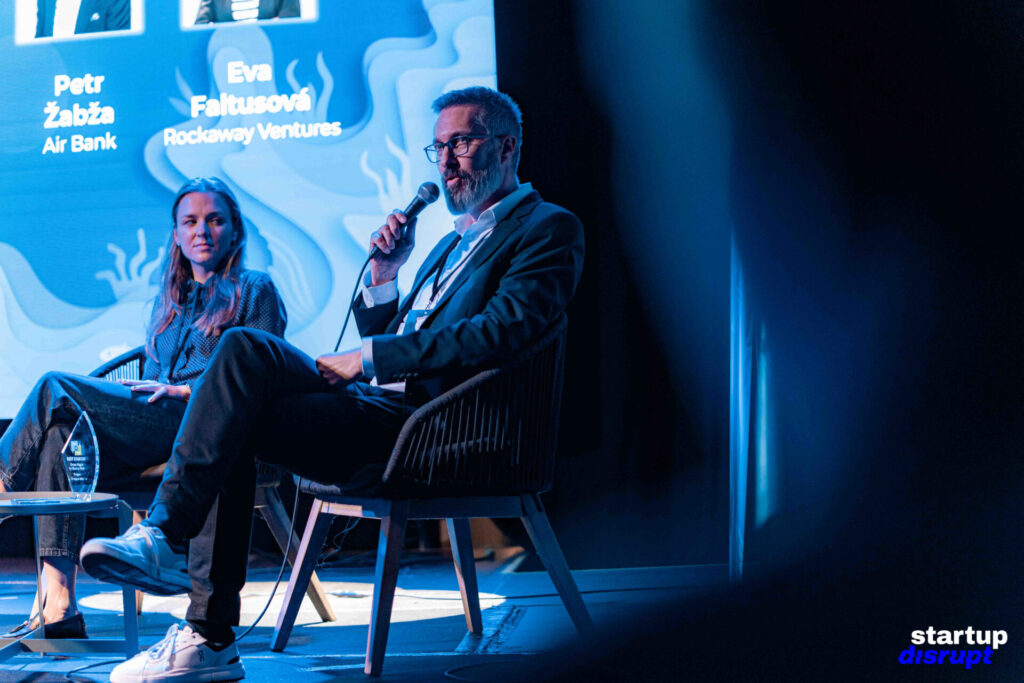
Petr Žabža compared the situation with the dot-com era. The internet fundamentally changed the economy, yet many companies that carried a “.com” label disappeared.
AI may follow the same pattern.
The technology will survive and reshape industries. Not every company currently riding the wave will.
Private markets continue to grow
Another structural shift discussed by the panel was the growing interest in private markets.
Michal Šrubař highlighted increasing allocations toward private equity, private debt and venture capital among high-net-worth investors and family offices.
But despite changing trends, he stressed that the fundamentals of investing remain surprisingly stable.
Strategic asset allocation, diversification and a long-term horizon continue to matter regardless of which sector happens to dominate headlines.
Geopolitics is becoming part of investment analysis
Investment decisions can no longer be separated from geopolitics.
Currency risk, interest rates, regulatory changes, global supply chains and political instability increasingly influence asset allocation.
Žabža pointed to a gradual rebalancing by some investors away from excessive exposure to the United States and toward Europe and Asia.
Michalíková added that geopolitical considerations can affect startups particularly strongly: nationality, suppliers, investors and expansion markets can suddenly determine whether a company is able to operate in a particular geography.
Energy, infrastructure and defense
AI itself is creating second-order investment opportunities.
Artificial intelligence requires computing infrastructure. Computing requires data centers. Data centers require enormous amounts of power.
Energy generation, grids, transmission infrastructure and data centers therefore increasingly represent an investment thesis connected directly to the AI boom.
Defense and resilience are undergoing a similar transformation.
Areas once considered difficult or controversial for institutional investors have moved rapidly into the mainstream as European countries reconsider their defense capabilities.
What comes after today’s obvious trends?
The panel also looked beyond the most visible themes.
Eva Faltusová highlighted ageing as an underappreciated long-term opportunity.
An ageing European population will create demand across healthcare, robotics, assisted living, technology and services.
Petr Žabža identified information resilience and data security as areas likely to become increasingly strategic as conflicts move beyond traditional military domains.
The common denominator across the discussion was that investors should distinguish between hype and structural change.
A fad attracts capital temporarily.
A genuine trend changes how businesses, consumers and investors behave long after the headlines disappear.


