
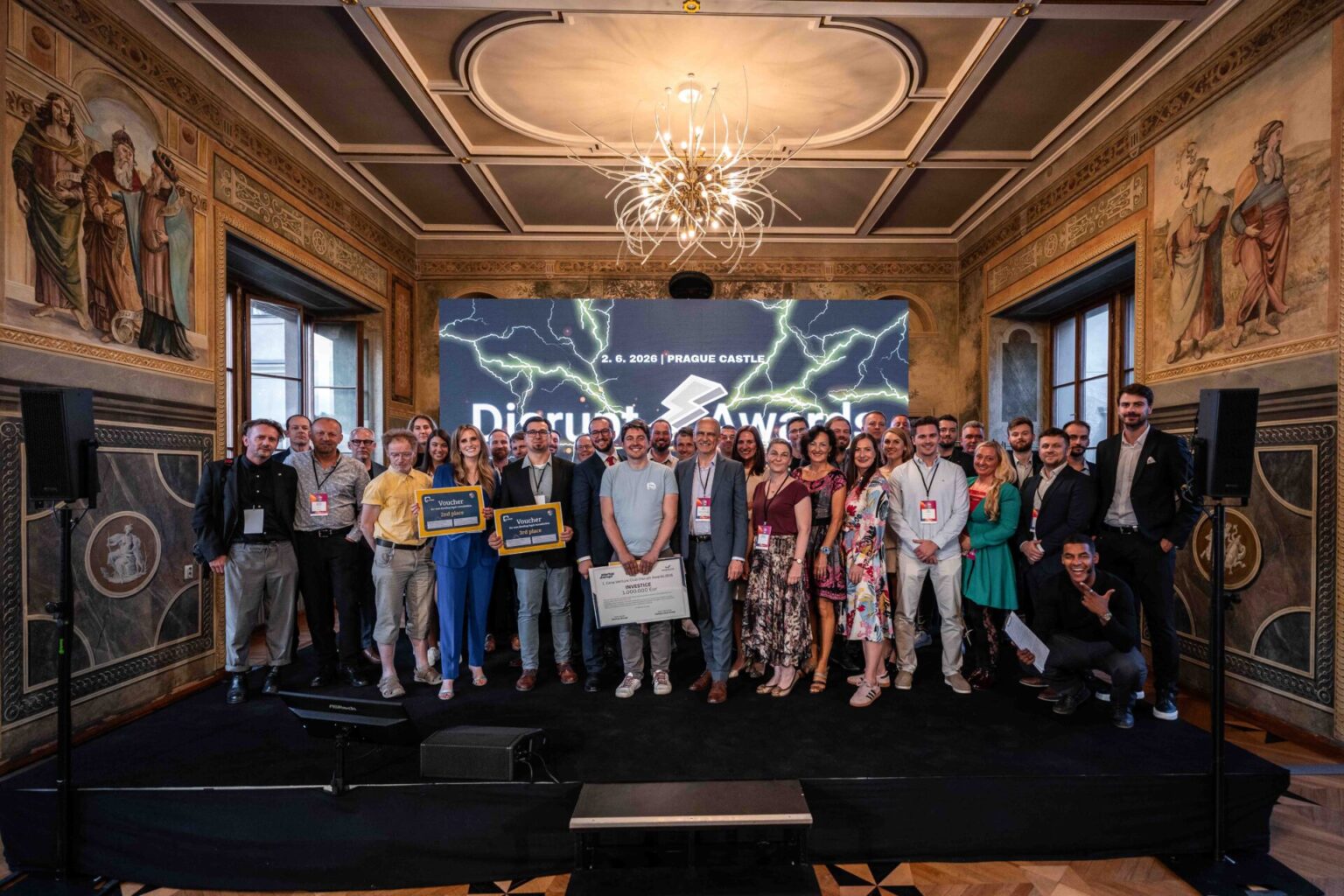
Five startups. Five ambitious solutions. One winner.
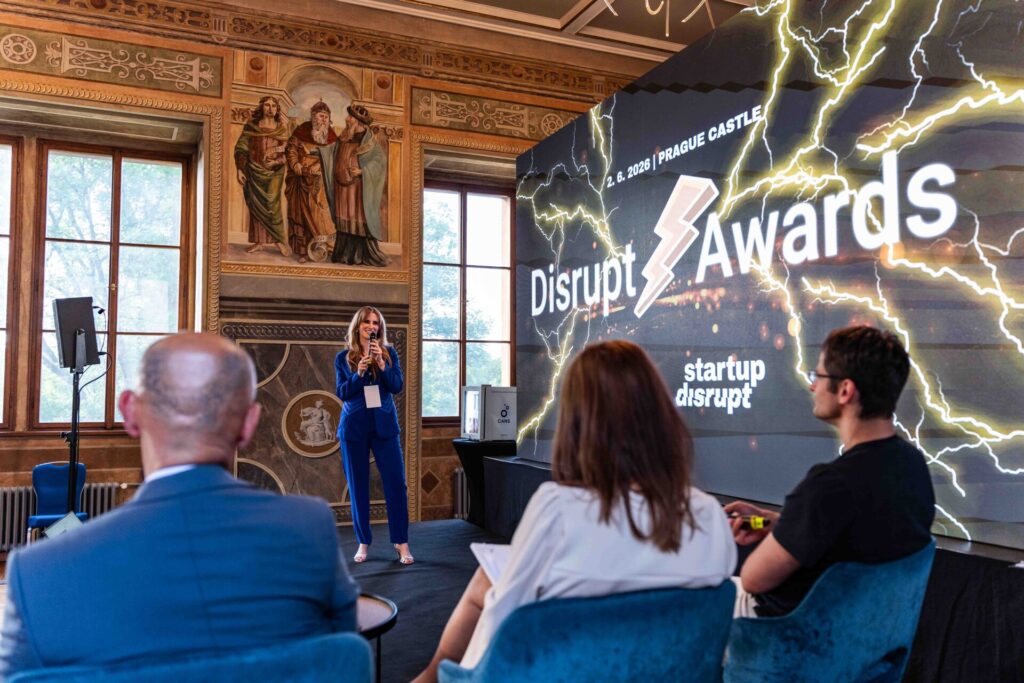
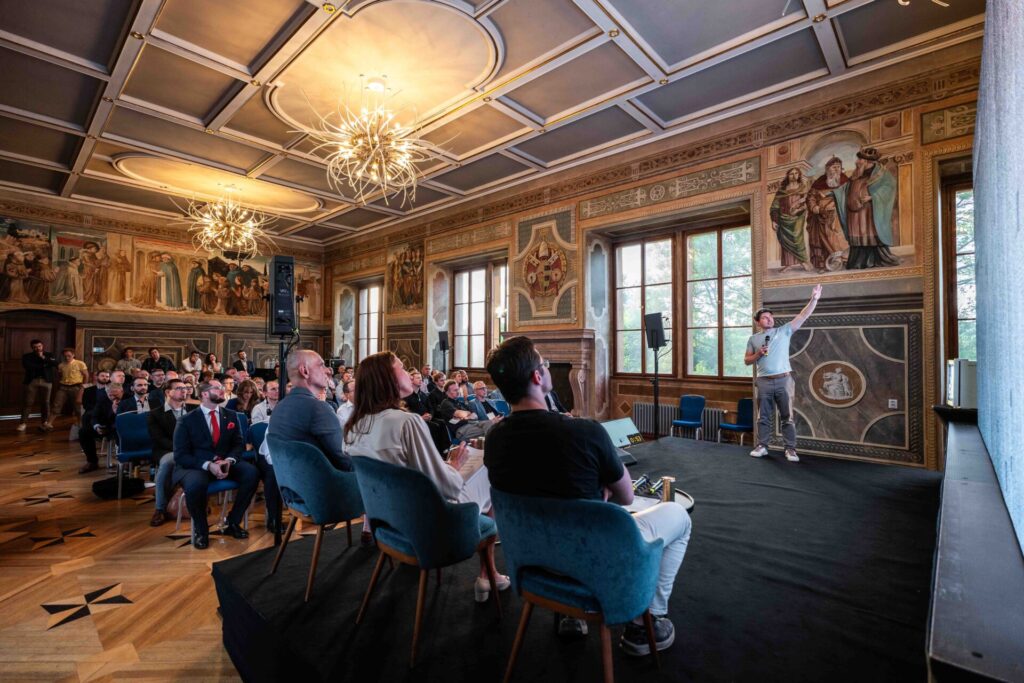
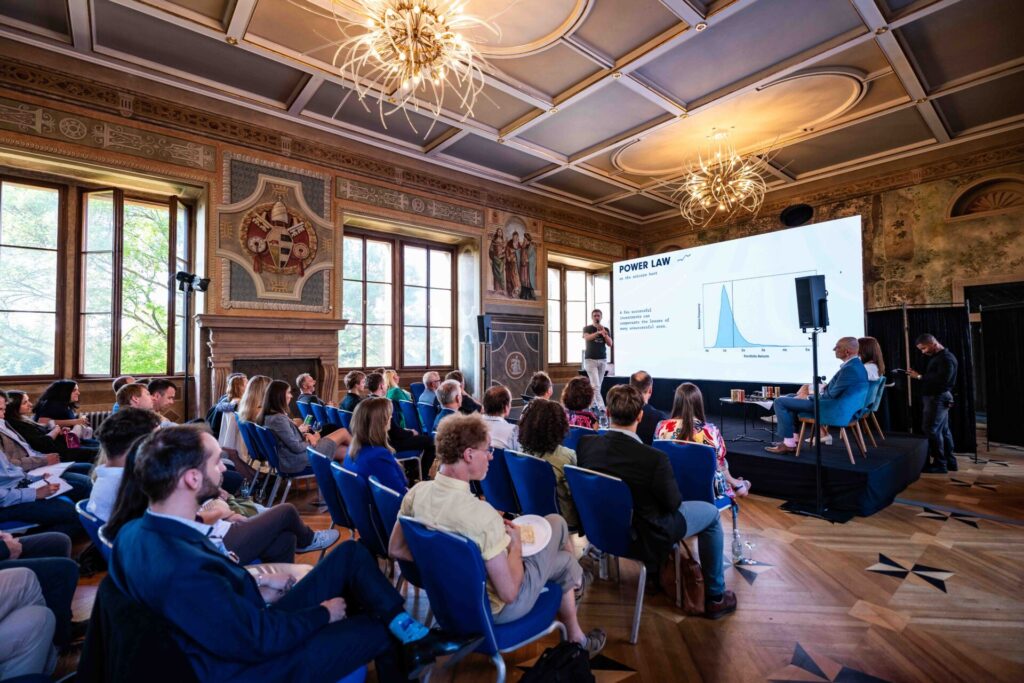
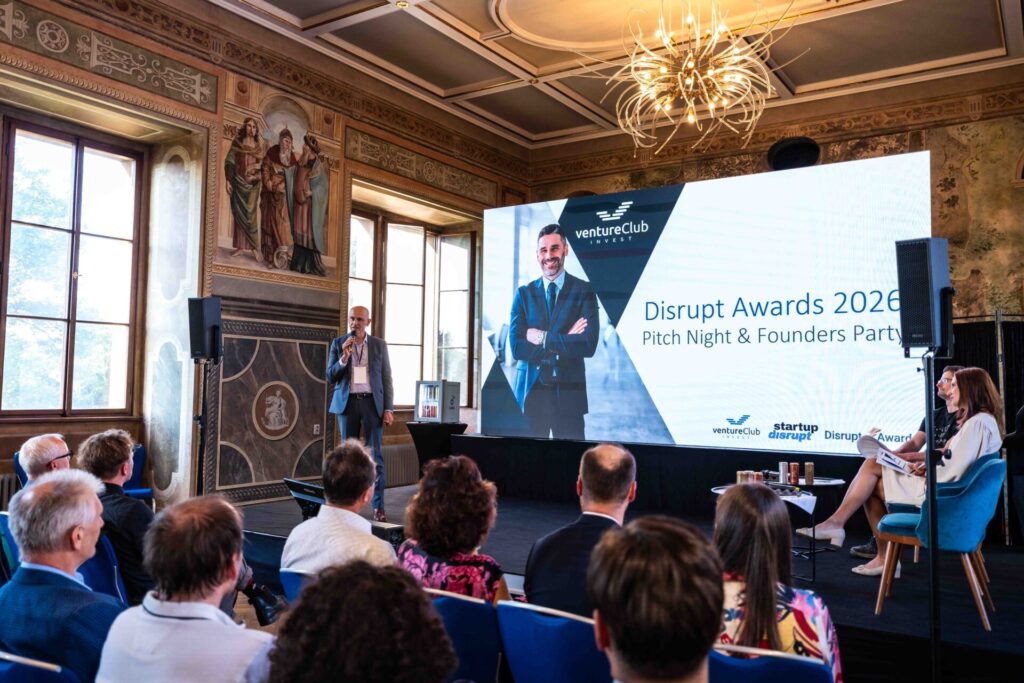
The 2026 edition of Venture Club Disrupt Awards, held on 2 June at Martinic Palace in the Prague Castle area as part of Innovations United 2026, brought together founders, investors and technology experts for an evening of startup pitches and high-level networking.
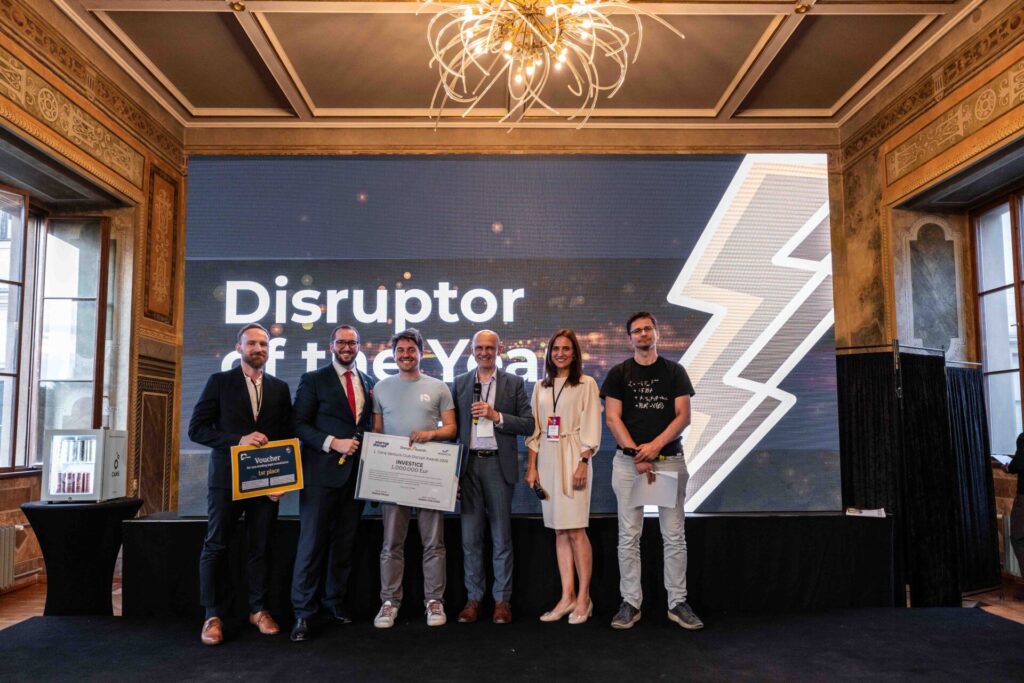
The winner was PangeAI, a startup developing AI agents for geospatial data analysis and risk management.
PangeAI received the title Disruptor of the Year 2026 and will advance to a detailed investment-review process with Venture Club. Following a full presentation and due diligence, this process may lead to an investment of up to €1 million.
The award does not represent an automatic investment. It opens the door to the next stage of evaluation. Check all photos from the event here.
More Than 50 Projects Entered the Selection Process
More than 50 projects were reviewed before the event. Five finalists were selected to present their companies live on stage:
- DeepMedChem
- NanoFlexion
- CoinGarage
- Treetino
- PangeAI
Each startup had to explain not only its product, but also its market, competitive advantage, growth strategy and ability to execute.
The evening was organised by Startup Disrupt together with Venture Club, combining the startup ecosystem reach of Startup Disrupt with the investment experience of Venture Club and its partners.
Investors Are Looking for Founders Who Can Build the Future
The pitch night opened with a keynote by Ondřej Lipold of Tensor Ventures.
His message was direct: venture capital is not about investing in certainty. The real challenge is to identify exceptional founders and transformative technologies before their success becomes obvious to everyone else.
A promising project must bring together several elements: a meaningful technological advantage, a founder with a strong vision, the ability to execute quickly and a credible path to building a scalable business.
In fast-moving sectors such as artificial intelligence, speed matters. A founder cannot afford to wait passively for an investor to solve every problem. Capital should accelerate progress, not replace the founder’s own determination.
The second keynote was delivered by Petr Šedivý, CEO and Chairman of the Board of Venture Club.
Šedivý described how AI is changing the way companies develop software, operate businesses and evaluate new opportunities. Tasks that previously required large budgets and long implementation cycles can now often be completed faster and more efficiently.
At the same time, lower development costs make judgement more important, not less important. If building becomes easier, founders still need to decide what is worth building.
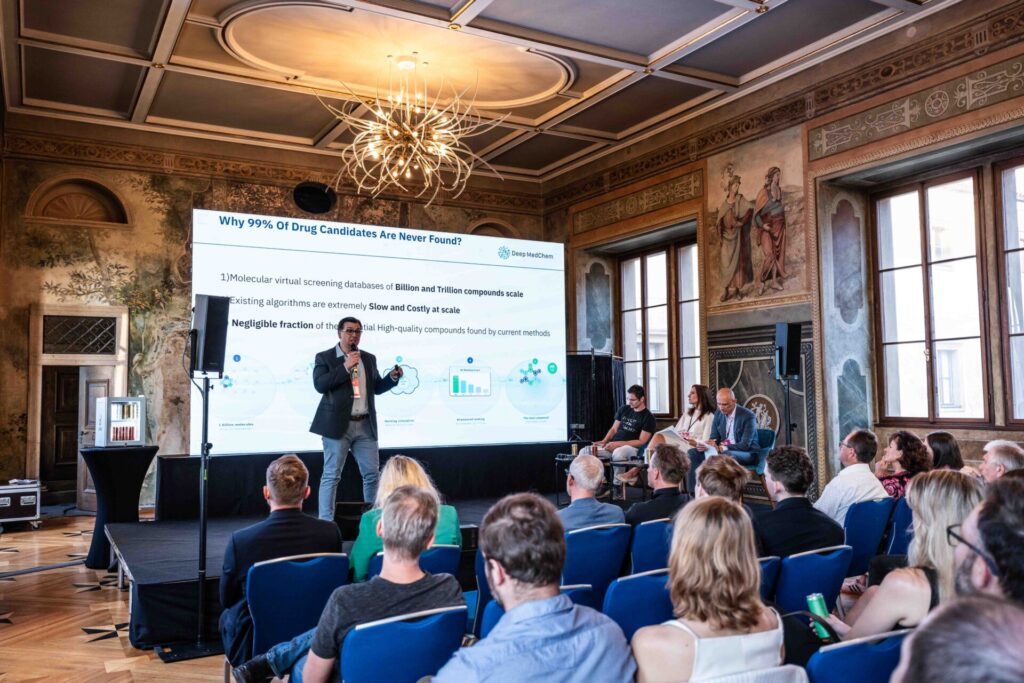
DeepMedChem: Accelerating the Search for New Medicines
DeepMedChem was presented by Jiří Růžička, Chief Business Officer.
The startup is building a platform for virtual molecular screening in drug discovery. Pharmaceutical companies and research teams need to assess enormous numbers of potential molecules, but traditional tools can be expensive and difficult to scale.
DeepMedChem aims to improve this process by searching a much larger chemical space in less time and at lower computational cost.
According to the presentation, the platform is designed to work with commercially relevant chemical spaces and prioritise molecules that are realistically synthesised, not merely theoretically attractive.
The jury praised the technological depth of the project and the energy of the presentation. The key commercial challenge is clear: converting a sophisticated technology into repeatable partnerships with pharmaceutical companies and research teams.
NanoFlexion: A Nanofibre Patch Designed to Reduce Surgical Complications
NanoFlexion was presented by founder Markéta Hujerová.
The startup is developing a biodegradable nanofibre patch designed to support healing after gastrointestinal surgery and reduce the risk of serious postoperative complications.
One such complication is an anastomotic leak, which can occur when the surgical connection between sections of the intestine fails. The consequences can be severe, including infection, sepsis and prolonged hospitalisation.
NanoFlexion’s solution is designed to be wrapped around the affected area during surgery. According to the team, the material is easy to apply, biodegradable and potentially compatible with laparoscopic procedures.
The startup is continuing its preclinical work and preparing a path toward regulatory approval.
The jury recognised the scale of the medical problem and the potential impact of the solution. The discussion also highlighted the realities of medtech: regulatory approval, clinical validation and adoption by surgeons require time, evidence and persistence.
CoinGarage: Making Crypto Finance Easier through an AI Agent
CoinGarage presented an AI layer designed to simplify the management of cryptocurrency portfolios.
The startup’s thesis is that crypto interfaces remain too complicated for many users. Existing platforms offer a large number of functions, but most retail customers use only a limited share of them.
CoinGarage aims to solve this by enabling users to interact with an AI agent in natural language.
A user could ask the agent to create a Bitcoin investment plan, analyse an asset or rebalance part of a portfolio into stablecoins. The agent would prepare the action, while the user would retain the final confirmation.
The discussion with the jury focused on trust, licensing, regulatory compliance and the challenge of competing with large global exchanges.
Treetino: Energy Trees Combining Solar and Wind Power
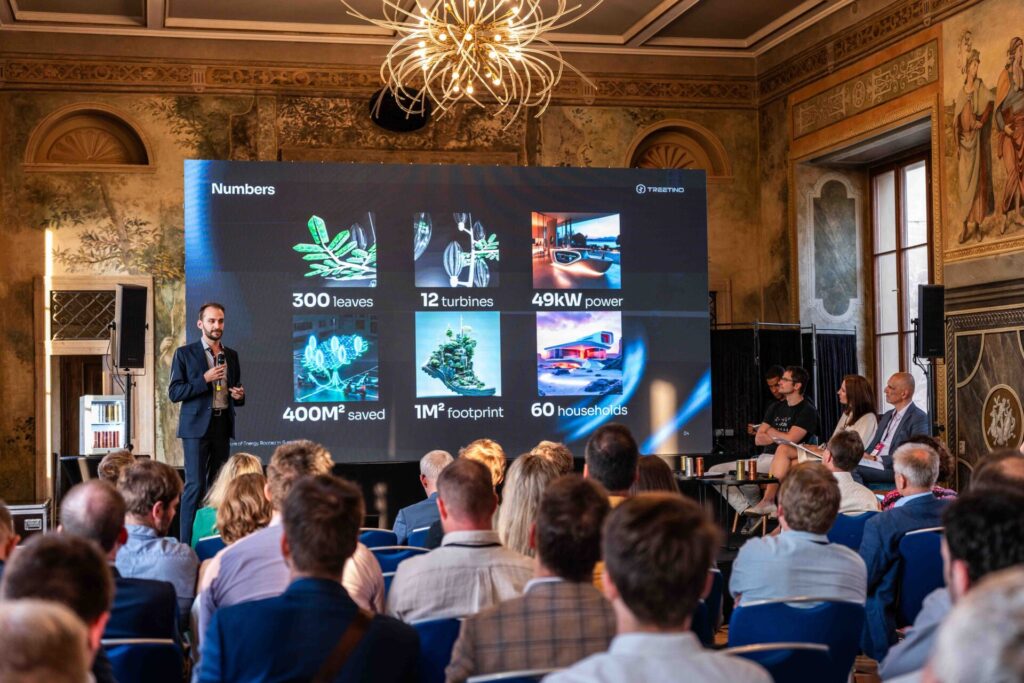
Treetino was presented by founder Jakub Lustyk.
The startup develops energy-generating structures inspired by trees. Its concept combines solar panels with wind turbines in a single system designed for local energy production.
Treetino aims to serve customers seeking greater energy independence, especially in locations where rooftops are already fully used or where a more visible architectural solution creates additional value.
The presentation covered two product concepts: a larger energy tree and a smaller version designed for broader commercial deployment.
The jury discussed performance validation, mechanical durability, maintenance requirements and the choice of target markets. The project may have particular potential in regions with strong solar conditions, higher wind intensity and demand for distinctive sustainable infrastructure.
PangeAI: A Digital Interface for the Physical World
The winning startup, PangeAI, was presented by founder and CTO Marek Miltner.
PangeAI is developing AI agents capable of working with geospatial data and executing complex analytical tasks through natural-language instructions.
A customer can ask the platform to evaluate flood risks, analyse a portfolio of properties, assess infrastructure exposure or process data collected by drones.
The platform is designed to automate work that would otherwise require specialised GIS teams and external consultants. Its agents can connect different datasets, build an analytical methodology and produce actionable results.
According to the presentation, the company is already generating revenue and working with customers in sectors including insurance and energy.
The jury was particularly interested in the connection between geospatial analysis and financial risk management. This gives PangeAI a practical route to commercialisation: helping customers identify risks, reduce costs and make better decisions about valuable assets and critical infrastructure.
The long-term vision is ambitious: creating a digital interface through which organisations can interact with the physical world as easily as they currently work with documents, spreadsheets and online services.
Venture Club Disrupt Awards 2026: Results
| Place | Startup | Focus |
|---|---|---|
| 1st place | PangeAI | AI agents for geospatial data analysis and risk management |
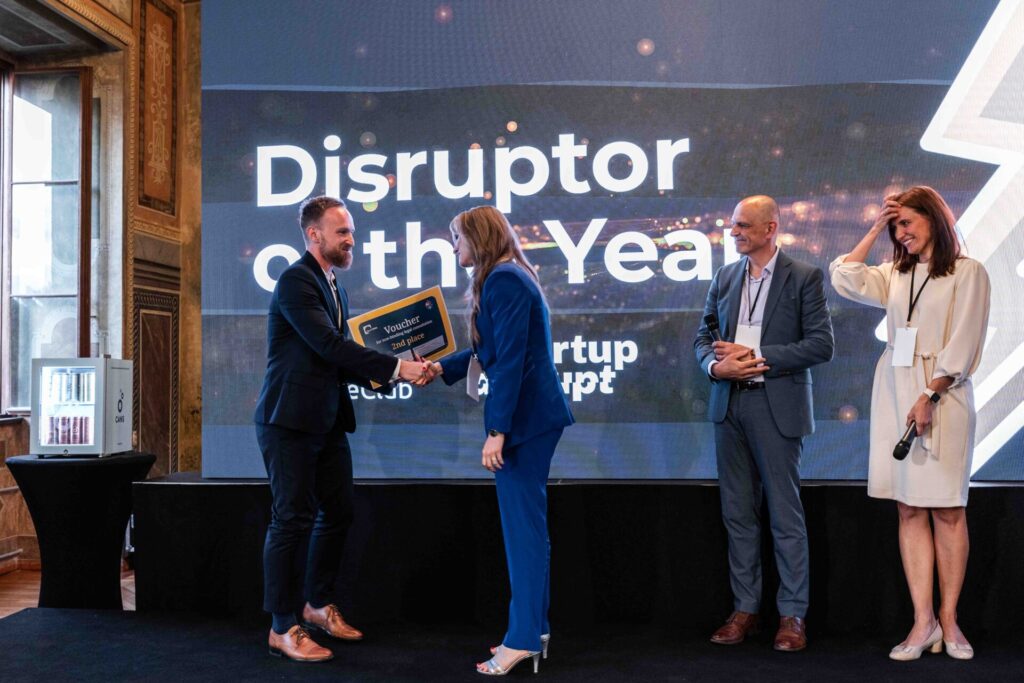
| 2nd place | NanoFlexion | Nanofibre solution designed to reduce postoperative complications |
| 3rd place | DeepMedChem | Virtual molecular screening and drug discovery |
CoinGarage and Treetino were also selected as finalists and presented their solutions during the evening.
The Jury
The finalists were evaluated by:
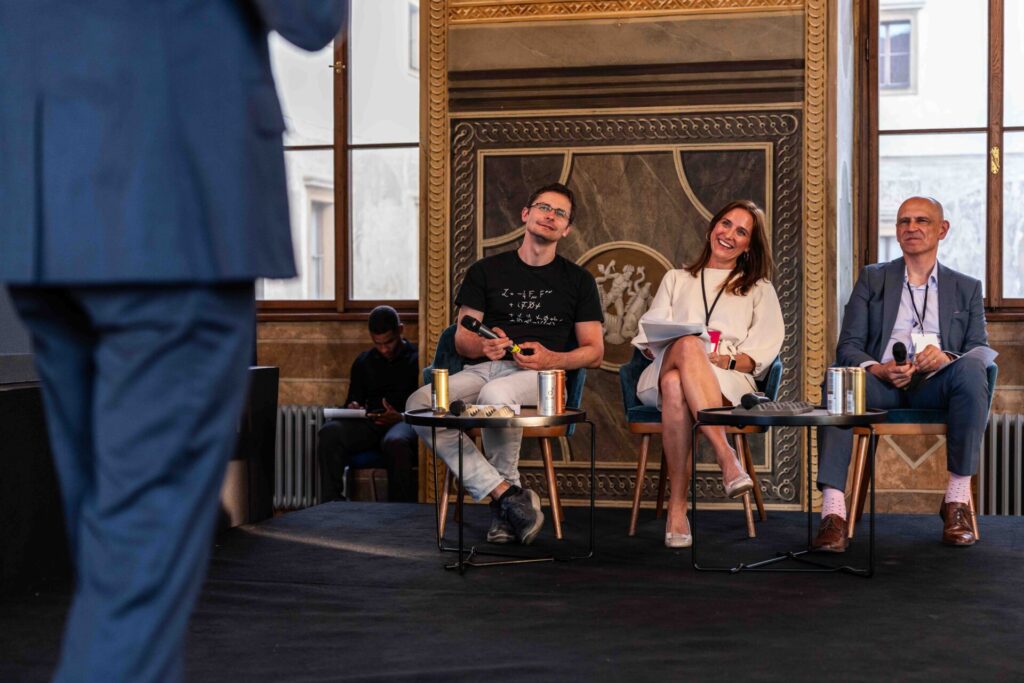
- Petr Šedivý, Venture Club
- Veronika Dvořáková, Havel & Partners
- Ondřej Lipold, Tensor Ventures
The jury considered technological innovation, market potential, scalability, team quality, commercial readiness and the founders’ ability to communicate a compelling vision.
Creating Space for the Next Generation of European Founders
Venture Club Disrupt Awards is more than a competition. It creates a space where founders can test their ideas, receive direct feedback and build relationships with investors and potential partners.
The 2026 finalists reflected the diversity of opportunities emerging in the Central European startup ecosystem: artificial intelligence, drug discovery, medical technology, sustainable energy and digital finance.
The winning project, PangeAI, will now continue to the next stage of investment review.
Are you building a startup with the ambition to transform your industry? Follow Startup Disrupt and apply for one of our upcoming pitch events.


